

Global logistics is entering September under renewed pressure as transpacific freight rates rise, vessel reliability deteriorates, and geopolitical risks continue to affect energy and supply chains.
1️⃣ Trans-Pacific Freight Rates Reach New Highs
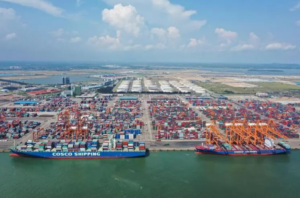
Spot rates from Asia to the U.S. West Coast rose 2% to approximately $7,621 per FEU, while Asia–U.S. East Coast rates increased 2% to $9,791. Resilient demand and congestion at major Asian ports are tightening effective capacity.
2️⃣ Global Schedule Reliability Hits a Five-Year Low
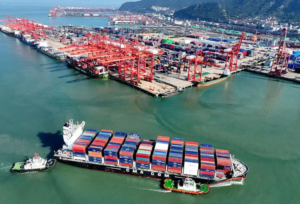
Container shipping reliability recorded its sharpest monthly decline since January 2021. Shanghai’s on-time performance fell to just 21% in July, while Ningbo recorded 34.6%. Delays at major Asian gateways are increasingly cascading through the global shipping network.
3️⃣ Strait of Hormuz Disruptions Push Energy Risks Higher
Only four commercial vessels were observed crossing the Strait of Hormuz on Thursday, far below the recent 10-day average. Brent crude is on track for its strongest weekly gain since mid-July, adding renewed pressure to fuel and shipping costs.
4️⃣ U.S. Trade Deficit Widens as Capital Goods Imports Surge
The U.S. trade deficit widened 24.4% in July to $88.6 billion. Total imports increased 2.8%, while capital goods imports reached a record $140.3 billion, reflecting strong investment in computers, semiconductors and AI infrastructure.
5️⃣ Critical Mineral Supply Risks Are Rising
Several Chinese rare-earth suppliers have reportedly halted some shipments to the U.S., while American companies continue waiting for export licenses. This highlights a growing supply-chain risk beyond traditional tariffs: access to critical materials.
6️⃣ U.S.–Mexico Trade Talks Focus on Autos and Steel
Mexico continues negotiations with the United States over automotive and steel tariffs as the USMCA review moves forward. Any changes could have significant implications for highly integrated North American manufacturing and cross-border logistics.
7️⃣ U.S. Domestic Trucking Capacity Tightens
National truck tender rejection rates moved back above 14% ahead of Labor Day, signaling renewed pressure on domestic freight capacity. The development highlights how ocean freight costs can be amplified by inland transportation constraints.
8️⃣ Panama Canal Capacity Remains a Concern
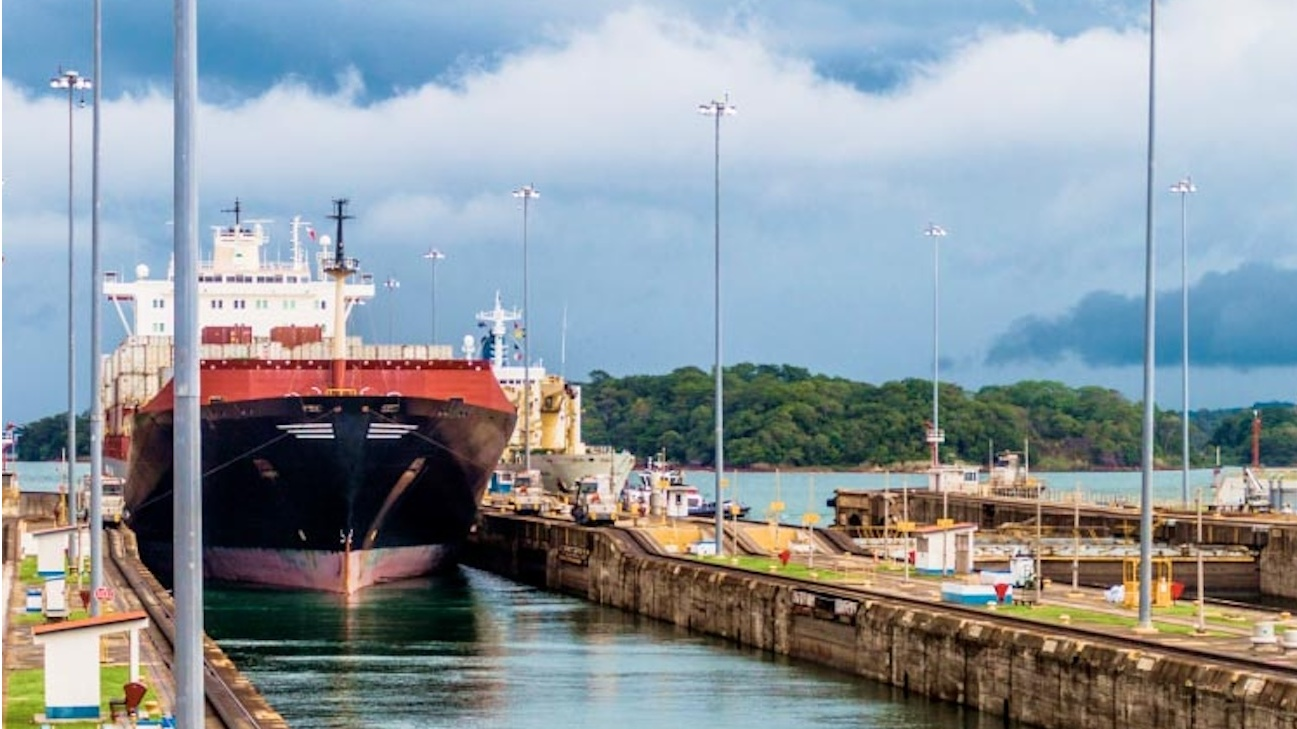
Panama Canal transit capacity is being reduced from 36 to 34 vessels per day on September 4 and to 32 from September 15. This could create additional pressure on Asia–U.S. East Coast and Gulf Coast supply chains.
📌 Key Takeaway:
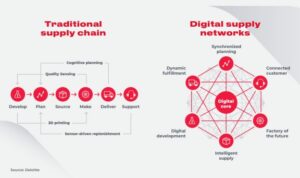
The biggest logistics risk heading into September is no longer simply freight cost. Reliability, energy, geopolitical risk, critical materials and inland capacity are increasingly interconnected — making supply chain visibility and contingency planning more important than ever.