

1. Strategic Policy Shifts:
The U.S. has elevated critical minerals to a national security priority, expanding tariff and export licensing regimes — reshaping compliance and procurement strategies for supply chains globally.
2. Logistics Sector Under Strain:
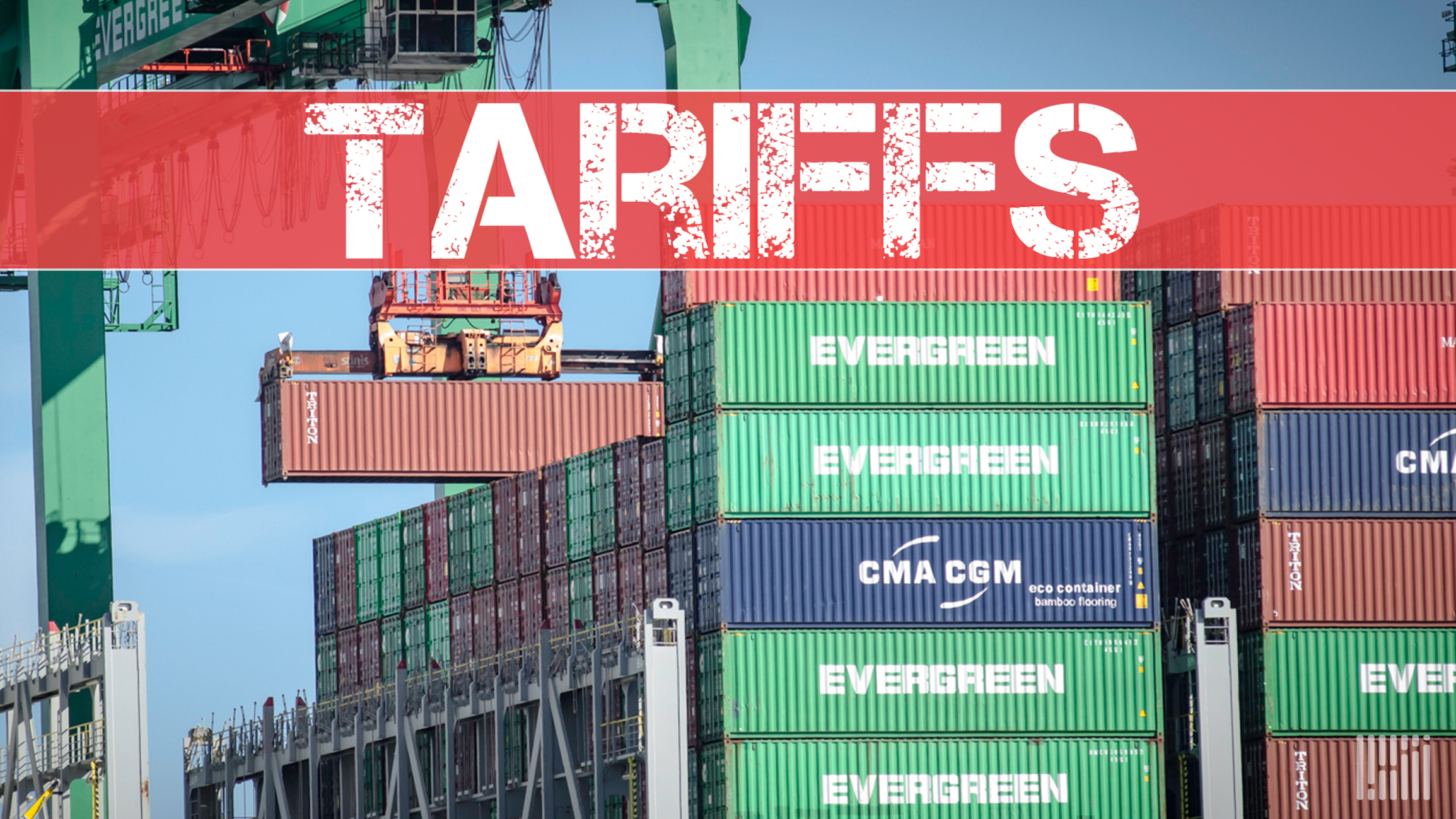
Major carriers, such as UPS, reported weakening freight forwarding and 3PL performance in Q4, tied to tariff volatility and trade policy uncertainty.
3. Automotive Supply Chain Resilience:
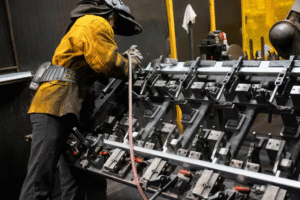
The automotive sector is doubling down on supply chain resilience — diversifying sources and improving inventory strategies to counter geopolitical and tariff-driven disruption risk.
4. Retail Logistics Restructuring:
American Eagle is exiting its third-party logistics segment and consolidating fulfillment operations — emblematic of broader cost optimization trends.
5. Cross-Border Trade Noise:
FreightWaves highlights ongoing tariff and regulatory chatter affecting U.S.–Mexico trucking and border logistics planning.
Takeaway: Supply chains are at a tactical inflection point — cost pressures, compliance complexity, and global political dynamics require agile and resilient logistics strategies.