

Global logistics is entering a distorted cycle — driven not by demand, but by tariffs, energy shocks, and supply chain restructuring.
1️⃣ U.S. Import Surge Confirms Frontloading Trend
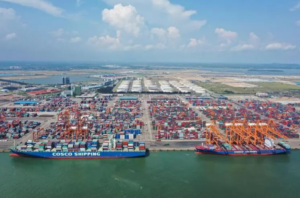
U.S. container imports rose over 8% in June, with volumes reaching approximately 2.4 million TEUs. Imports from China surged even more sharply, reflecting aggressive frontloading ahead of expected tariff increases in late July.
2️⃣ Transpacific Freight Rates Continue to Spike
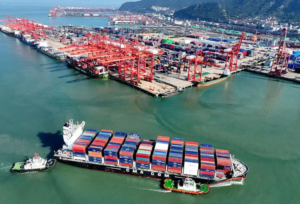
Freight rates on Asia–U.S. routes have nearly tripled since early 2026, approaching $5,900 per FEU. Tight capacity, early peak demand, and carrier pricing strategies are driving a short-term price surge.
3️⃣ Energy Shock Adds New Cost Pressure
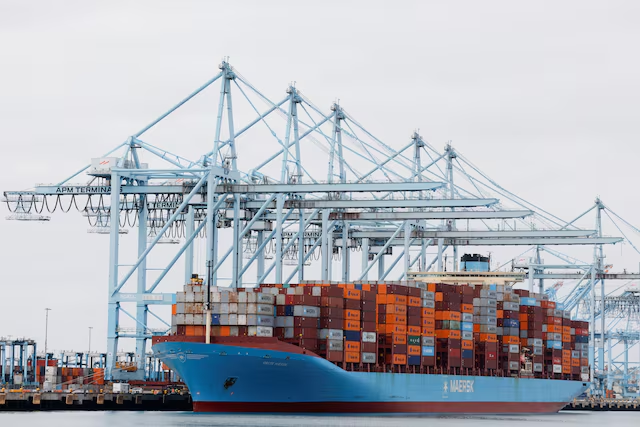
Oil prices jumped more than 5% amid escalating geopolitical tensions in the Middle East. Rising fuel costs are directly impacting ocean freight through higher bunker surcharges and operational risks.
4️⃣ Inland Trade Corridors Gain Strategic Importance
Ports are no longer the only bottleneck. Inland hubs like Laredo are rapidly becoming critical trade gateways, driven by growing U.S.–Mexico trade and nearshoring trends under USMCA.
5️⃣ Early Peak Season Signals Q3 Slowdown Risk
The current surge is not demand-driven but policy-driven. With shipments pulled forward, inventory levels are expected to normalize quickly — increasing the risk of a sharp volume decline in Q3.