

This week brought several policy shifts shaping how companies ship, source, and plan supply chains into the U.S.
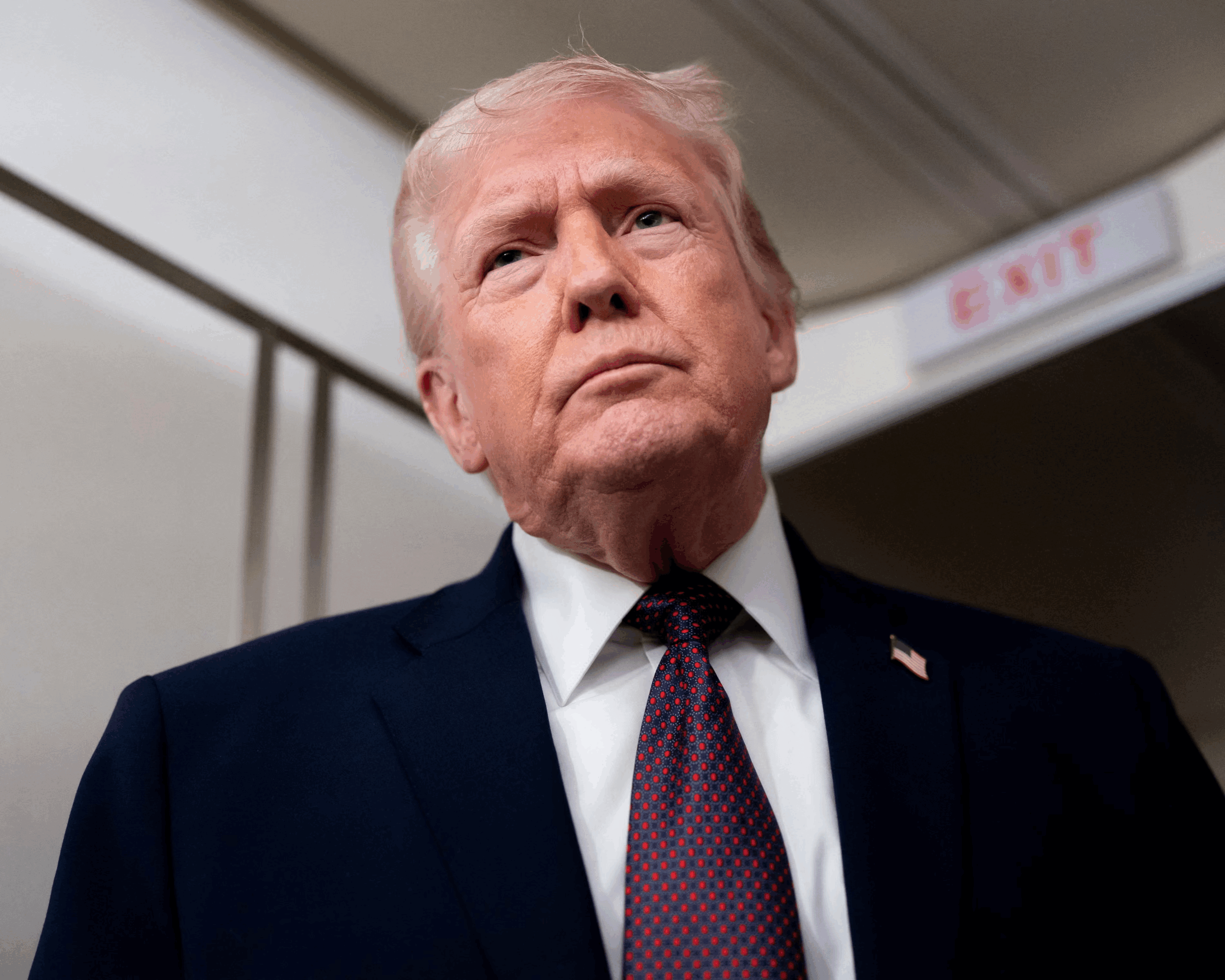
The White House officially imposed 25% tariffs on select semiconductor chips and equipment, effective January 15, marking another move to tighten control over strategic high-tech imports and boost domestic manufacturing. Meanwhile, former President Trump announced a proposal to levy 25% tariffs on countries continuing trade with Iran—not yet law, but with major implications if enforced, particularly for Asia–Middle East supply routes.
At the same time, the United States signed a new trade agreement with Taiwan, lowering duties on a broad set of Taiwanese products and enabling tariff exemptions in specific sectors, alongside an anticipated $250B+ investment flow into US technology and semiconductor capacity. And finally, the US Supreme Court is preparing a decision on presidential tariff authority—one that could reshape legal foundations for recent tariff actions and trigger refund or compliance challenges depending on the ruling.
In short, global logistics teams face a fast-moving tariff environment with real operational impact—duty planning, supplier diversification, and route optimization will matter more than ever.
Supply chains evolve fast—staying ahead of policy shifts is now a competitive advantage.