
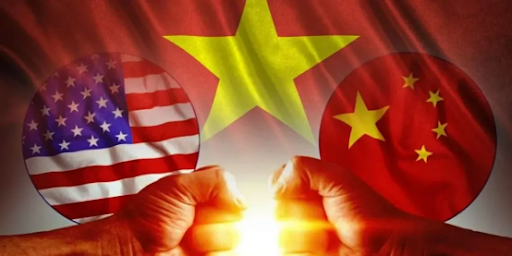
On June 3, Reuters quoted multiple informed sources as saying that during tariff negotiations, the US put forward a long list of “tough” demands to Vietnam, including one that may force Vietnam to reduce its import dependence on Chinese industrial products.
One informed source revealed that the US wants Vietnamese factories to reduce the use of materials and components from China while requiring Vietnam to implement stricter controls over production and supply chains. However, the source did not specify whether the US demands include quantitative targets. According to four informed sources, this list of demands is part of the “annex” to the framework text prepared by US trade negotiators.
A person with direct access to the document said that after the second round of negotiations to avoid imposing 46% “reciprocal” tariffs on Vietnamese goods to the US ended with the US at the end of May, this list was sent to Vietnam. On Monday, news broke that the Trump administration had demanded that countries submit final trade agreement proposals by Wednesday (June 4), or face the resumption of high tariffs. It is currently unclear how Vietnam will respond to the US “tough” demands or whether it will submit a proposal within the specified time.
Since the US-China trade war began in 2018, and the Trump administration imposed widespread tariffs on Chinese goods, some manufacturers have shifted production to Southeast Asian countries like Vietnam to avoid high tariffs, nearly tripling Vietnam’s exports to the US. The US has long accused Vietnam of serving as a “transit channel” for Chinese goods to the US.
Under US criticism, Vietnam has begun cracking down on illegal transshipment of goods. In April this year, the Standing Office of Vietnam’s National Steering Committee 389 issued a document requiring localities to strengthen the crackdown on trade fraud involving product origin.
Vietnam has also repeatedly expressed its willingness to reduce non-tariff barriers and import more US goods as per long-term US demands. In recent weeks, Vietnam has reclaim its plan to purchase US aircraft and signed or pledged multiple non-binding agreements involving agricultural and energy purchases. On June 2, the Vietnamese Minister of Agriculture and the Environment led a delegation to the US, planning to purchase over $2 billion worth of US agricultural products, including soybean meal, corn, wheat, etc.
However, an informed source pointed out that these measures may not be enough, as US negotiators are seeking a genuine “trade agreement.” How Vietnam’s economy will respond to the US “tough” demands warrants continued attention.