
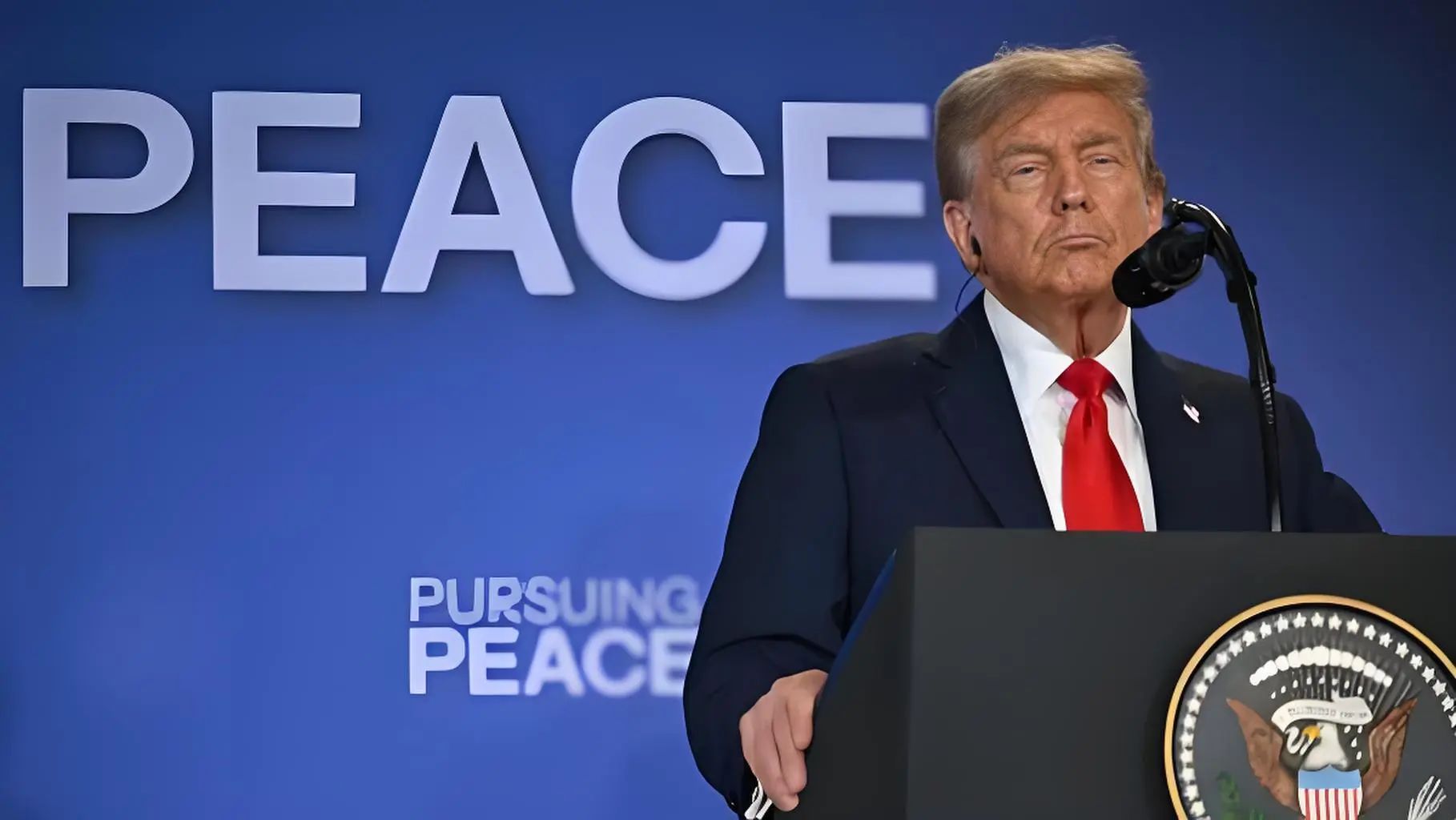
Previously, Trump had explicitly threatened to impose additional secondary sanctions on buyers of Russian energy, aiming to force Russia to initiate peace talks with Ukraine. As he stated, countries purchasing Russian oil would face U.S. “secondary tariffs” with rates potentially as high as around 100%.
Due to India’s continued purchase of Russian oil, Trump announced that starting from August 27, tariffs on Indian goods would be doubled to 50%. He had also previously hinted that similar measures might be taken against other countries buying Russian oil, including China—the largest buyer of Russian oil.
However, after the U.S.-Russia meeting on August 15, Trump’s stance shifted. He made it clear that there was no need to consider imposing “secondary tariffs” for the time being, stating, “I might reassess in two or three weeks, but there’s no need to move forward now.”Trump also mentioned his summit with Putin in Alaska on that day, noting that the talks had proceeded smoothly and consensus had been reached on some issues, though no breakthrough was made on the Ukraine issue.