

Global tariff policies continued to show a high-intensity game dynamics last week.
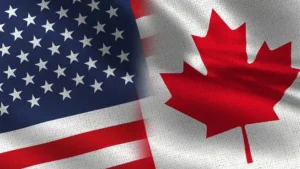
Trump announced the revocation of all airworthiness certifications for Canadian-made aircraft and threatened to impose a 50% tariff on Canadian aircraft, demonstrating his instrumentalization of certification and tariff tools to block potential China industrial chain and supply chain linkages.
Meanwhile, the U.S. and India reached an agreement to lower tariffs on Indian goods from 50% to 18% in exchange for India reducing trade barriers and adjusting its energy procurement direction.
Ukraine determined that Chinese-made steel products were being transshipped through Malaysia to circumvent anti-dumping duties, imposing tariffs ranging from 32.6% to 67.4% on the relevant products; Australia, on February 3, made a final ruling on Chinese-made suspended ceiling steel frame components, imposing combined anti-dumping and countervailing duties totaling 14.5%.
On the Mexican front, the established policy of imposing additional tariffs of 5% to 50% on goods from countries without free trade agreements (FTAs) continued to be implemented. Overall, tariffs have become deeply embedded in supply chain security and geopolitical maneuvering.