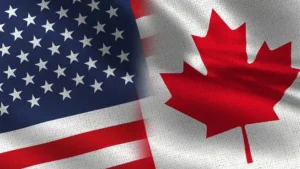


Last week, there were three key words in global tariffs: Sino-US detente, Vietnam-Thailand tightening, and Mexico’s wavering. Let’s start with Sino-US relations: Starting from November 10th, the United States suspended Section 301 sanctions on China’s maritime and shipbuilding industries for one year, and China simultaneously suspended retaliatory measures. At the same time, it restored the import qualifications of US soybeans and logs, marking a significant de-escalation in bilateral trade tensions.
Vietnam continued to tighten customs clearance requirements: six documents must be fully submitted, the duty-free policy for low-value goods has been abolished, the inspection rate has soared to 30%, and customs clearance generally takes three to five days. Thailand took even harsher measures: after the United States imposed 19% retaliatory tariffs, it increased export inspections from 90 cases to 8,000 cases. It also announced that it will cancel the 1,500 baht e-commerce duty-free threshold starting from 2026, with Shopee and Lazada explicitly ordered to connect to the official system.
Mexico remained volatile this week: Its plan to impose high tariffs on Chinese goods was forced to be delayed due to opposition from domestic manufacturers, and the anti-dumping investigation on Chinese aluminum discs was also terminated. However, a national transportation strike may break out on the 24th, with even calls to “take over customs,” posing significant supply chain risks.