

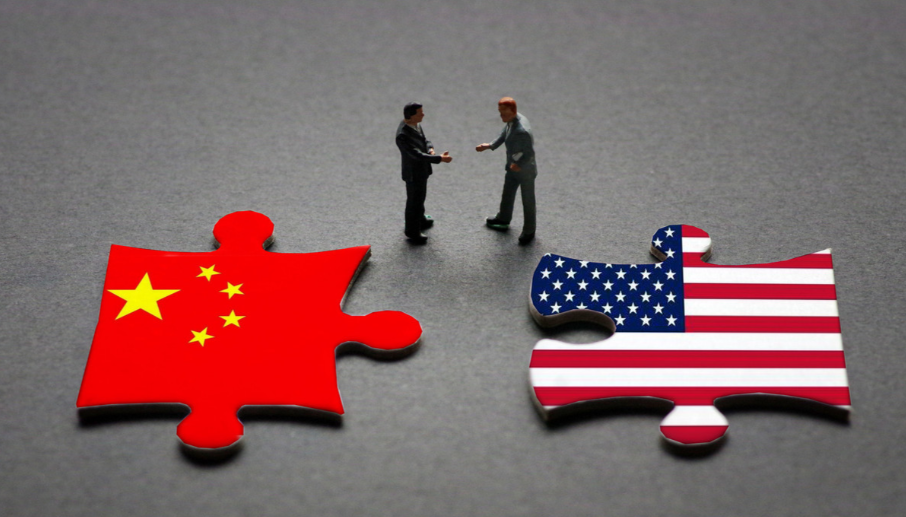
Recently, China-U.S. trade frictions have continued to escalate:
On October 10, Trump announced in a notice that the U.S. would impose an additional 100% tariff on all imported goods from China and implement export controls on critical software, both taking effect on November 1, as retaliation against China’s export controls on rare earths. On the same day, the U.S. Federal Communications Commission (FCC) launched “Operation Clean Cart,” removing millions of electronic products from Chinese enterprises such as Huawei from shelves. China responded with countermeasures on the same day, announcing that it would impose phased “Special Port Dues for Vessels” on U.S.-related ships starting from October 14, with a rate of RMB 400 per net ton in 2025 and annual increases in subsequent years.
On October 10, Trump announced in a notice that the U.S. would impose an additional 100% tariff on all imported goods from China and implement export controls on critical software, both taking effect on November 1, as retaliation against China’s export controls on rare earths. On the same day, the U.S. Federal Communications Commission (FCC) launched “Operation Clean Cart,” removing millions of electronic products from Chinese enterprises such as Huawei from shelves. China responded with countermeasures on the same day, announcing that it would impose phased “Special Port Dues for Vessels” on U.S.-related ships starting from October 14, with a rate of RMB 400 per net ton in 2025 and annual increases in subsequent years.
On October 12, Trump softened his tone, stating that the U.S. was willing to engage in mutually beneficial cooperation with China and emphasizing that there was room for negotiations on tariffs. On October 13, U.S. Treasury Secretary Scott Bessent said that the 100% tariff was not inevitable, that communication between the two sides had resumed, and that Trump planned to meet with the Chinese side in South Korea at the end of the month.
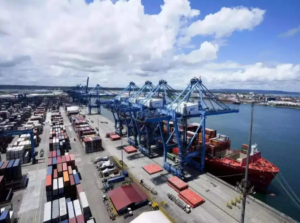
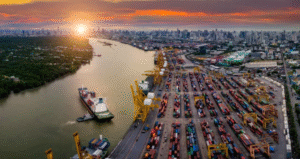
On October 14, China’s vessel fee policy officially took effect. On the same day, Maersk announced that its U.S.-flagged ships would suspend calls at Ningbo Port and divert to South Korea, while Matson had received bills totaling RMB 16.54 million. Meanwhile, Trump issued another statement, threatening to consider terminating trade ties with China in the edible oil sector and other trade areas as retaliation against China’s refusal to purchase U.S. soybeans.