

The U.S. logistics market is experiencing an unusual surge — but this is not a real peak season.
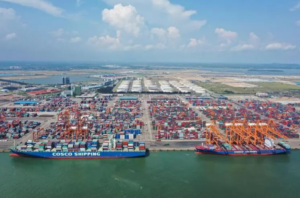
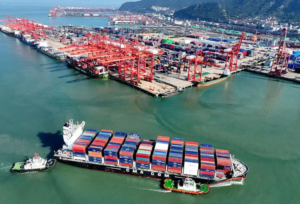
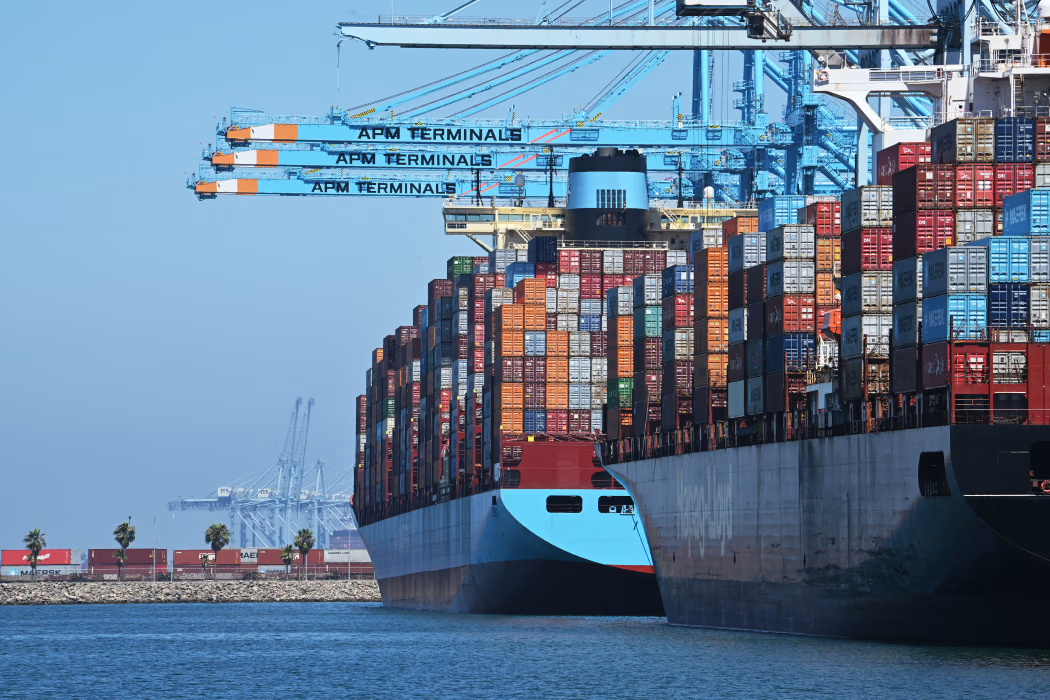
Retailers are accelerating imports from China by 4–6 weeks to secure inventory ahead of potential tariff increases in late July. This frontloading effect has pushed container volumes at major ports like Los Angeles and Long Beach to their highest levels in months.
At the same time, transpacific freight rates have surged dramatically, with spot rates nearly tripling since February. Capacity is tight, bookings are rolling, and carriers are capitalizing on the short-term demand spike.
However, this surge is policy-driven, not demand-driven.
With new tariffs of up to 12.5% under consideration and ongoing geopolitical tensions in the Middle East affecting fuel costs and shipping routes, companies are reacting defensively rather than expanding consumption.
The result?
An early, compressed peak season — followed by a likely slowdown in Q3 as inventories are already stocked.
Meanwhile, developments like the $800 million tariff refund process led by FedEx highlight another key trend: trade policy volatility is becoming a structural factor in global supply chains.