

1、Major Customs Enforcement & Tariff Compliance Actions
Chinese-American supplier Wanxiang America agreed to pay ~$53M to settle import tariff underpayment cases, underscoring heightened U.S. customs enforcement and the importance of robust compliance programs. DOJ actions include expanded whistleblower rewards and a Trade Fraud Task Force.
2、U.S.–Switzerland Trade Tariff Framework Updated
The USTR confirmed tariff provisions of the new Switzerland/Liechtenstein trade framework, setting product-based tariff rates and investment commitments. These updates may reshape cost structures for imports in sectors like agriculture, aircraft components, and pharmaceuticals.
3、Stronger U.S. Customs Enforcement on Trade Fraud
Recent indictments target undervaluation and origin misclassification to evade duties — a strong signal for importers, freight forwarders, and customs brokers to strengthen due diligence and internal controls.
4、Port Activity Reflects Tariff-Driven Shifts
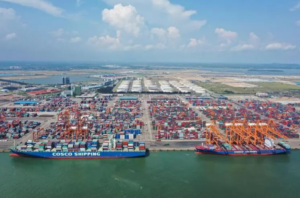
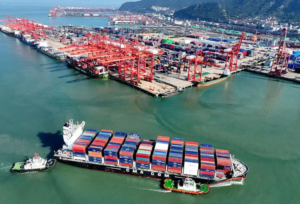
Imports at the Port of Los Angeles dipped ~11.5% in November, reflecting inventory timing shifts and tariff avoidance strategies — illustrating how tariff policy directly affects cargo flows and port throughput.
5、Tariff Strategy Promoted as Industrial Policy
Political leadership continues to laud tariff policy as a driver of U.S. manufacturing revival, though key economic indicators suggest structural challenges remain.
6、U.S. Tariff Revenues Surge
Tariff collections have exceeded $200B to date in 2025, highlighting their budgetary impact and implications on cost structures along global supply chains.
Global Supply Chain Impacts:
➡ U.S. tariffs are elevating supply chain costs for Southeast Asian exporters.
➡ Preferential tariff exemptions are boosting Taiwan’s air freight demand to the U.S.