

Global supply chains are entering a new phase as tariff-driven frontloading begins to fade and companies reassess inventory, costs, and sourcing strategies.
1️⃣ Tariff-Driven Frontloading Begins to Slow
After weeks of accelerated imports ahead of tariff deadlines, businesses are now entering a monitoring phase. The recent volume surge was largely driven by risk management rather than organic demand growth.
2️⃣ Transpacific Freight Rates Remain Elevated
Freight rates on Asia–U.S. routes continue to stay at high levels due to tight capacity, carrier discipline, and geopolitical risk premiums. However, upward momentum is beginning to weaken as demand expectations shift.
3️⃣ Supply Chain Pressure Moves From Ports to Inventory
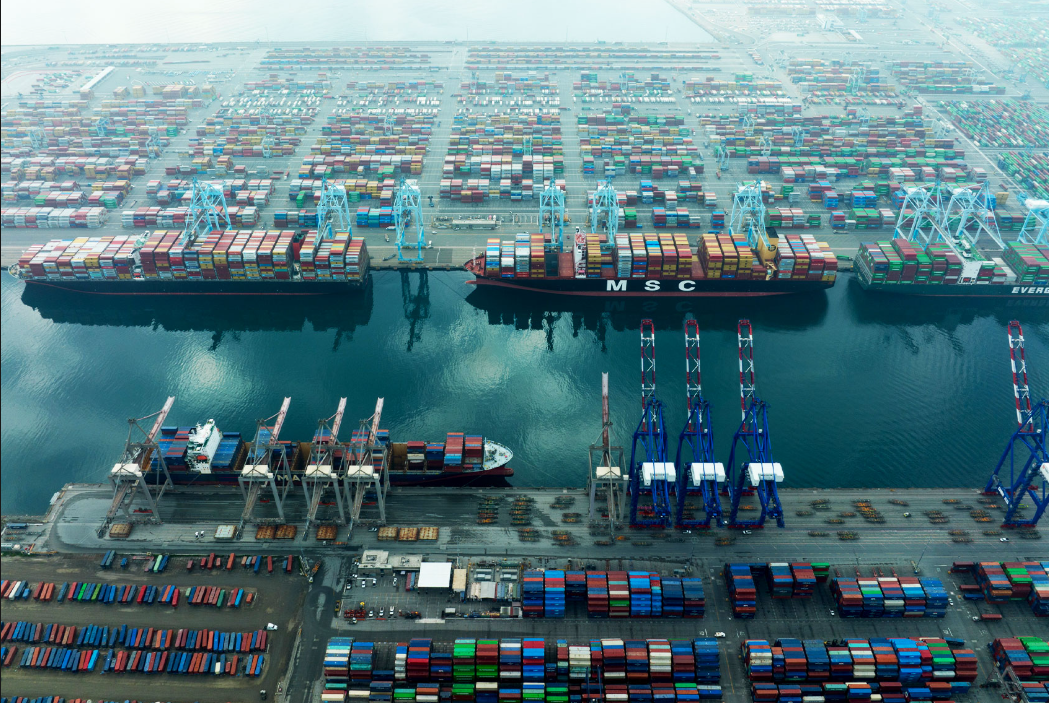
While major U.S. ports remain operational, companies are facing a new challenge: managing higher inventory levels created by accelerated imports.
4️⃣ Companies Accelerate Multi-Country Sourcing Strategies
Businesses continue expanding supply chains across Vietnam, Mexico, India, and Southeast Asia to reduce exposure to tariff and geopolitical risks.
5️⃣ Geopolitical Risks Remain a Key Shipping Factor
Energy costs, security concerns, and route uncertainty continue influencing global freight markets, making risk management a critical part of logistics planning.
📌 Key Takeaway:
Global logistics is moving from a volume-driven cycle to a risk-driven cycle — where flexibility, compliance, and supply chain visibility matter more than ever.