

Global logistics is entering a transition phase as tariff-driven demand fades and real market fundamentals begin to take over.
1️⃣ Post-Tariff Demand Normalization Begins
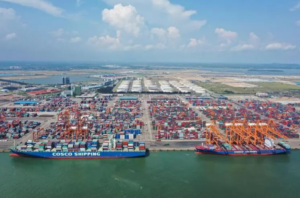
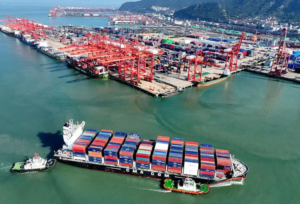
Following the late-July tariff deadline, shipping activity is starting to slow. The previous surge in volumes was largely driven by frontloading, and the market is now shifting back to underlying demand.
2️⃣ Freight Rates Show Early Signs of Peaking
After weeks of sharp increases, transpacific freight rates are stabilizing. Some lanes are beginning to soften slightly, although carriers continue to manage capacity to support pricing.
3️⃣ Inventory Pressure Emerges as a Key Risk
U.S. importers are reporting rising inventory levels and slower turnover. This suggests that demand has been pulled forward, increasing the risk of reduced shipment volumes in the coming months.
4️⃣ Supply Chain Bottlenecks Shift Inland
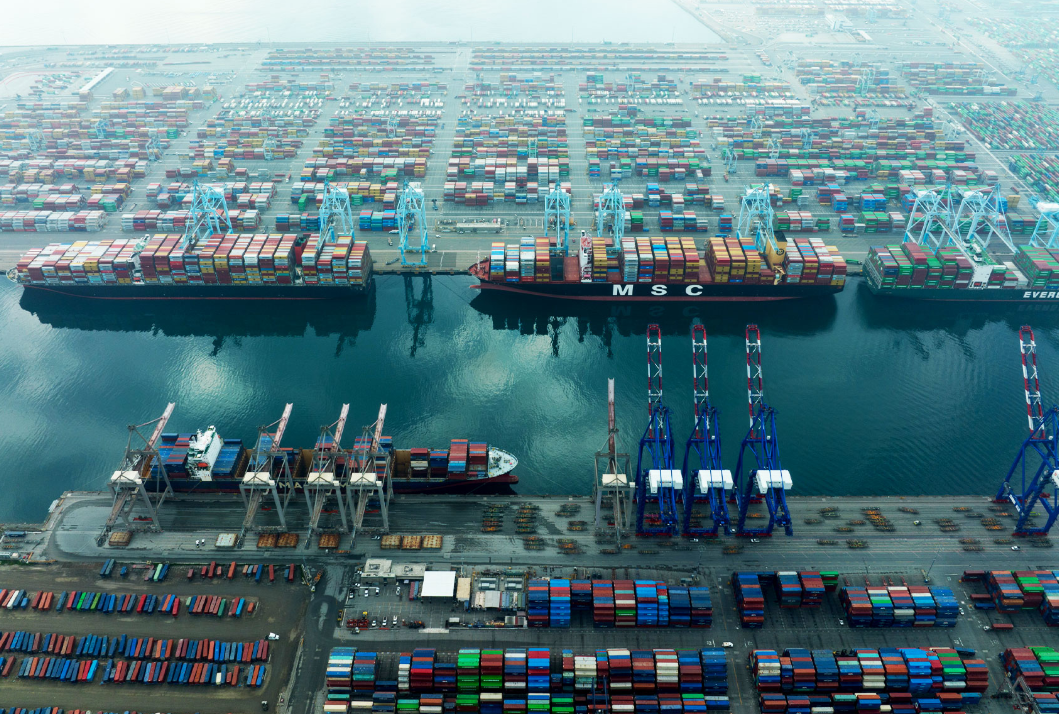
Port congestion remains limited, but challenges are moving inland — particularly in warehousing, distribution, and cash flow management.
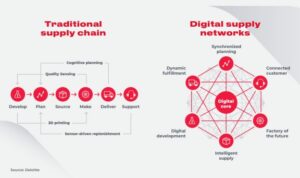
5️⃣ Supply Chain Diversification Continues
Companies are accelerating sourcing strategies across Mexico, Vietnam, India, and other regions to mitigate tariff exposure and geopolitical risks.
📌 Key Takeaway:
The logistics market is transitioning from a policy-driven surge to a demand-driven correction phase.